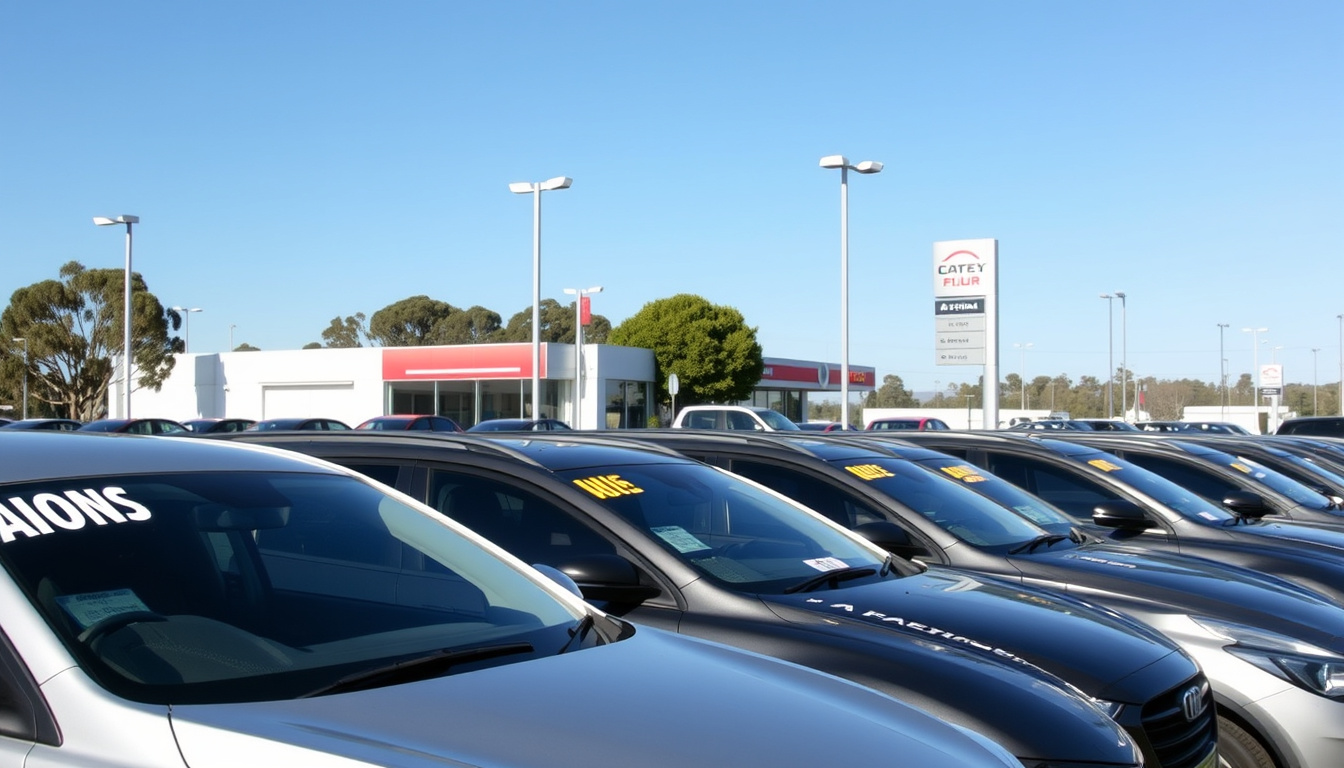
Buying a used car from a private seller in NSW can feel like a leap of faith — you’re not walking into a dealership with shiny ads, just you, the seller, and a car that might be a bargain or a headache. The good news is that with the right checks and a clear process, that leap gets a whole lot safer — and this guide lays out exactly what to ask for, what to watch out for, and how to handle the paperwork so you walk away with a solid deal, not a hidden problem.
Registration transfer: 14 days (Marrickville Legal Centre) to avoid fees ·
Consumer protection: Not guaranteed in private sales ·
PPSR check: Essential before paying (Only Cars)
Quick snapshot
- Private sales in NSW do not include the consumer guarantees that apply to dealer sales (NSW Government)
- Buyers should inspect the odometer and verify registration details match the vehicle (NSW Government)
- Exact number of private vs dealer listings on each platform is not publicly reported
- Average negotiation discount on private sales in NSW is not tracked
- No specific market-wide timeline signal available; individual deals vary widely
- Complete registration transfer within 14 days after purchase (Marrickville Legal Centre)
- Seller should submit a notice of disposal through Service NSW (Marrickville Legal Centre)
Here are the key documents you should request from a private seller:
| Document | What to check |
|---|---|
| Current certificate of registration | Must match the vehicle’s make, model, and year (Marrickville Legal Centre) |
| Service history records | Recent inspection reports and maintenance logs |
| Proof of ownership | Seller’s name on the registration and driver’s licence (Marrickville Legal Centre) |
| Registration number | Verify it belongs to the vehicle on offer |
| Engine number | Check against the registration certificate and the car itself (Marrickville Legal Centre) |
| Driver’s licence details | Note the seller’s full name and licence number for the receipt |
| Signed receipt | Must include buyer’s name, date, price, payment method, and seller’s signature (Marrickville Legal Centre) |
Where can I find private car sales in NSW?
Online marketplaces like Only Cars and general classifieds list thousands of private-sale vehicles. Unlike dealer lots, these sales come with no cooling-off period and no consumer guarantees. The NSW Government advises buyers to treat every ad with healthy scepticism — especially ones that say “urgent sale” or “cash only”.
Private sellers are not required to offer any warranty. The Marrickville Legal Centre warns that if something goes wrong after the handover, your only recourse is legal advice — not a dealer’s complaints department.
The pattern: Without a warranty, the due diligence you do before purchase is your only protection.
What is the best website for car sales in NSW?
No single platform dominates for private sales in NSW. Specialist auto sites such as Only Cars offer VIN checking tools, while general marketplaces cast a wider net but with less verification. The choice depends on whether you prioritise safety features or the sheer number of listings.
- Only Cars recommends asking for the VIN, registration, and engine number before viewing a vehicle.
- Marrickville Legal Centre advises checking that the build date matches the first registration date.
The trade-off: Specialist platforms add a layer of protection (PPSR checks, identity verification), but they may have fewer budget cars under $5,000. General sites give you more options — and more risk.
Are there cars for sale in NSW under $5,000?
Yes — private-sale listings in that price bracket are common, especially for older or high-kilometre models. But the lower the price, the more important it is to run the checks. The NSW Government warns that a deal that seems “too good to be true” should trigger a free online registration check.
Only Cars advises taking a mechanic or someone knowledgeable if you’re inspecting a very cheap vehicle — the savings quickly disappear if you’re handed a car with hidden finance or a stolen history.
The implication: A low price doesn’t mean a low total cost if you skip the checks.
How do I buy a used car from a private seller in NSW?
The process splits into three phases: pre-view checks, the inspection itself, and the transfer. Each step reduces the chance of inheriting someone else’s debt or a car that can’t be registered.
- Ask for the VIN, registration number, and engine number before you travel.
- Check the Personal Property Securities Register to see if there’s outstanding finance.
- Match the build date to the first registration date — discrepancies are a red flag.
- Meet the seller at the vehicle’s address to reduce the risk of a stolen car being moved.
- Inspect the odometer readings and the dates recorded.
- Don’t bring cash to pay — arrange electronic transfer after all checks are done.
- Obtain a signed receipt with buyer’s name, purchase date, price, payment method, vehicle details, and the seller’s driver’s licence name and signature.
- Ask the seller to submit a notice of disposal through Service NSW, then transfer the registration into your name within 14 days.
You are buying an asset that could still be tied to someone else’s loan. The PPSR check is cheap insurance: a single search can reveal whether you’d be taking on thousands of dollars in debt along with the keys.
What should I check before buying a car in NSW?
A visual inspection is not enough. The NSW Government says buyers should verify the odometer, confirm the registration details match the vehicle’s make, model, and year, and read the contract carefully without leaving blanks.
| Check | Why it matters | Source |
|---|---|---|
| Odometer and date logs | Identifies rollback fraud | NSW Government |
| Registration certificate vs vehicle | Confirms no identity swap | Marrickville Legal Centre |
| Build date vs first rego date | Catches stolen or imported cars | Only Cars |
| Outstanding finance (PPSR) | Debt inherited with car | Only Cars |
| Seller’s signature on receipt | Matches their driver’s licence | Marrickville Legal Centre |
The implication: Every check is a firewall. Skip one and you could end up with a car that can’t be registered or one that’s still owned by a bank.
What we know and what’s unclear
Confirmed facts
- Private sales in NSW carry no consumer guarantees (NSW Government)
- Registration must be transferred within 14 days (Marrickville Legal Centre)
- PPSR check can reveal outstanding finance (Only Cars)
What’s unclear
- Exact split of private vs dealer listings per platform is not publicly tracked
- Average discount negotiated on private sales in NSW is not reported
- Share of cars under $5,000 that have hidden mechanical issues is not known
- The exact prevalence of red flags like ‘cash only’ in private sales is not systematically tracked
“Private sales do not include the consumer guarantees that apply to licensed dealer sales. If there is a problem with a private purchase, you may need legal advice.”
Transport for NSW (NSW Government)
“Buyers should ask for the current certificate of registration, service history, recent inspection reports, proof of ownership, registration number, and engine number. The information in the paperwork should match the actual vehicle.”
Marrickville Legal Centre
“We recommend asking for the VIN, registration, and engine number before viewing a vehicle. Check the build date matches the first registration date. Unusually low pricing can be a fraud indicator.”
Only Cars
The pattern: Private-sale savings are real, but they come with risks that only thorough checks can mitigate.
The private-sale market in NSW offers real cost savings, but those savings vanish if you skip the due diligence. For the budget-conscious buyer in Sydney or regional NSW, the choice is clear: invest an afternoon in checks and paperwork, or risk paying thousands more for a car that can’t be registered or carries someone else’s debt. These steps keep you from inheriting debt or an unregisterable car.
Before committing to a purchase, savvy buyers should also run NSW car history checks to avoid hidden debts or write-offs.
Frequently asked questions
How do I log in to my Carsales account for NSW listings?
Go to Carsales.com.au and click “Sign in” at the top-right corner. Enter your email and password. If you haven’t registered, you’ll need to create an account first — it’s free for buyers.
Is it safe to buy a car from a private seller in NSW?
It can be safe if you follow the recommended checks: obtain the VIN, run a PPSR search, inspect the car in person, verify the seller’s identity, and complete the registration transfer within 14 days. Without these steps, you risk buying a car with outstanding finance or stolen history.
What is the cheapest car I can buy in NSW right now?
Prices vary daily. On private-sale platforms you can find running cars for $2,000–$5,000, but be extra cautious with very low prices — the NSW Government advises that a deal “too good to be true” should be checked via a free registration search.
Do I need a roadworthy certificate for a private sale in NSW?
For a private sale, the seller is generally not required to provide a roadworthy certificate (eSafety check) unless the car is being sold as unregistered. However, the vehicle must be roadworthy at the time of transfer. You can request the seller to provide one voluntarily.
How can I check if a used car has outstanding finance in NSW?
Use the Personal Property Securities Register (PPSR) online search. Enter the VIN to see if there’s any money owed on the vehicle. Only Cars recommends this check before any payment.
Are there any scams to watch out for in private car sales NSW?
Common red flags include requests for cash-only payment, urgency (“must sell today”), refusal to let you inspect the car at the listed address, and prices that are far below market value. Always meet the seller at the vehicle’s registered address.
What is the average price for a used car in Sydney NSW?
We don’t have a precise average for private sales. The Only Cars data suggests that most private-sale listings in the Sydney metro area fall between $10,000 and $20,000, but many older models can be found under $10,000. Prices depend on age, mileage, and condition.
Related stories



Kevin Bennett covers business, markets and economic policy for Oz Reviewly.