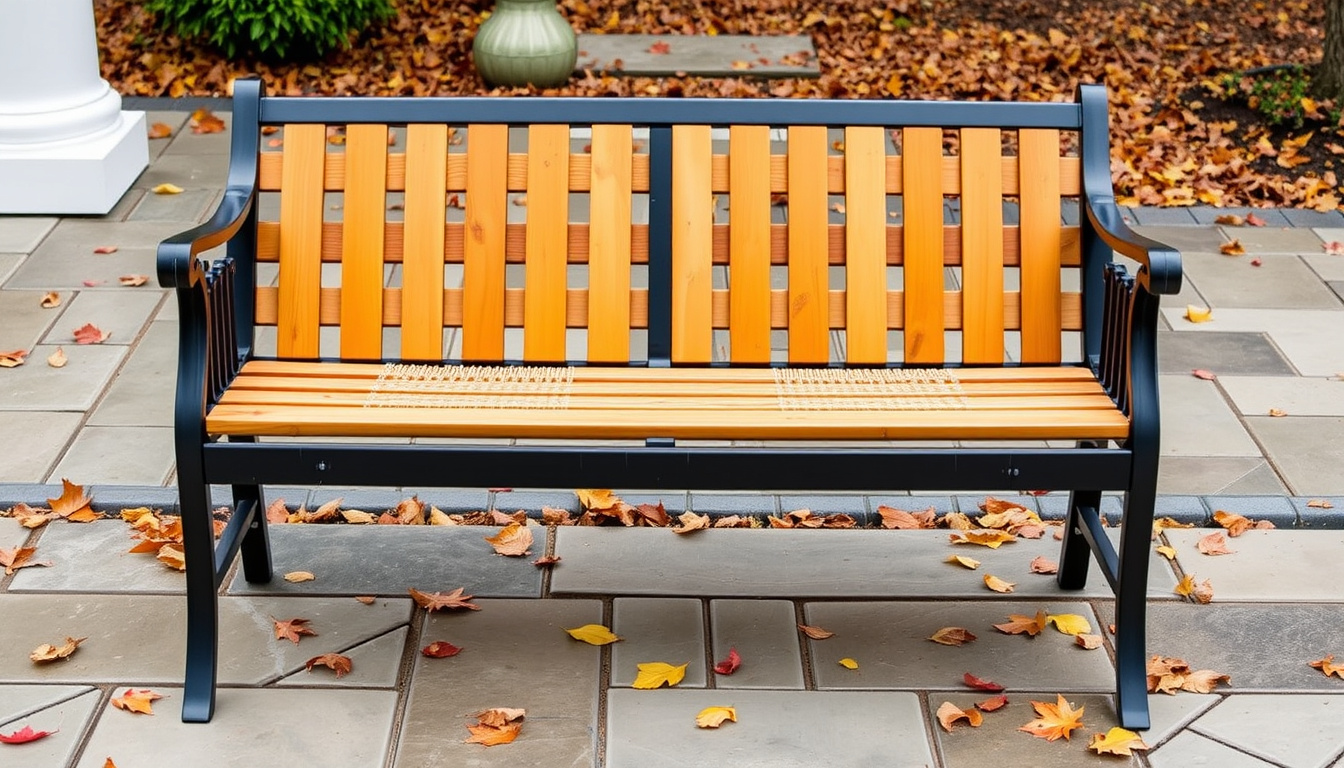
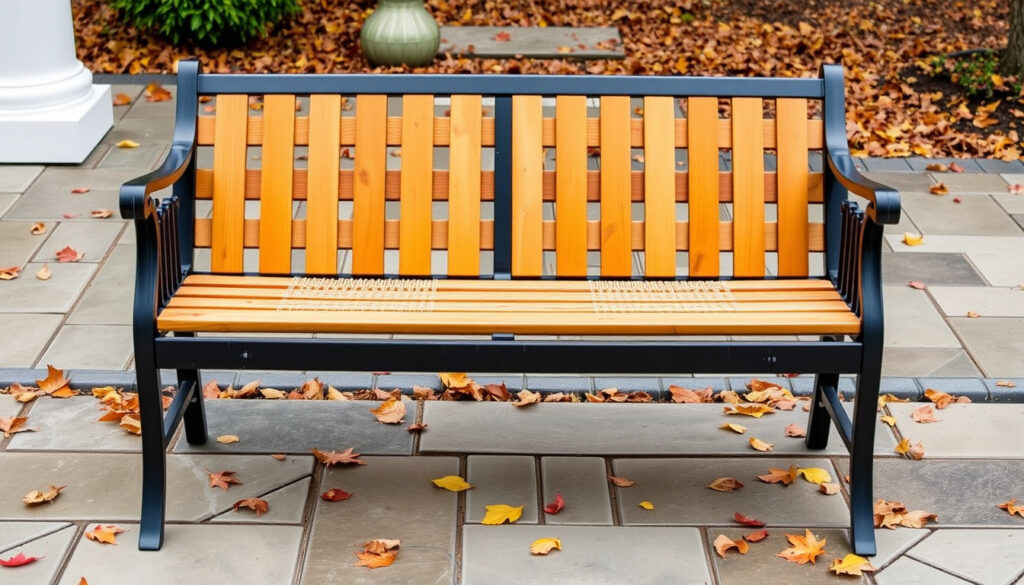
You’ve finally got the patio area sorted, and now all that’s missing is a comfortable place to sit. But with benches made from teak, steel, aluminium, and plastic all claiming to be weatherproof, this guide breaks down the real differences in material durability, maintenance needs, and where to find the best deals from brands like IKEA and JYSK so you can buy with confidence.
Average product count on major retailers: 13 (Homestoreandmore) ·
Typical bench length range: 4 ft to 8 ft ·
Common materials mentioned: Wood, metal, steel, aluminium, cast iron ·
Key brands: IKEA, JYSK, Homestoreandmore, Midulster, Outdoorliving
Quick snapshot
- Teak is a gold-standard durable wood for outdoor seating (Reliance Foundry)
- Galvanized steel frames last longer than untreated steel (Reliance Foundry)
- IKEA and JYSK both sell outdoor bench seats in Ireland/UK (brand websites) (Reliance Foundry)
- Exact weight capacity for specific models not listed on some retailer pages
- Whether powder coating alone ensures rust prevention for all metal benches
- Long-term durability comparison between IKEA vs JYSK benches without user reviews
- Teak benches can last decades with minimal maintenance (Reliance Foundry)
- Choose water-resistant cushions with removable covers (Niche Beverly)
Here are the key numerical ranges that define the outdoor bench seat market.
| Common bench lengths | 4 ft (48 in), 5 ft (60 in), 6 ft (72 in) |
|---|---|
| Average price range (basic to premium) | $150 – $800 |
| Weight capacity typical range | 250–600 lbs |
| Most used materials in top results | Wood (teak, eucalyptus, pine), metal (steel, aluminum, cast iron) |
What are the best weatherproof outdoor bench seats?
Materials that withstand rain and sun
- Hardwoods like teak and eucalyptus are naturally weather-resistant (Reliance Foundry)
- Aluminum and stainless steel are rust-proof metal choices (Niche Beverly)
- Moisture-resistant and UV-resistant materials improve durability (Serwall Outdoor)
Top weatherproof wood options
- Teak: gold-standard, dense, and requires little treatment
- Ipe: highly durable, resistant to rot and insects, but difficult to work with
- Balau: high-density, relatively easy to work, low maintenance
Metal benches with powder coating
- Durable metal benches are recommended for weather resistance, though they can be heavy and expensive
- Powder coating adds a protective layer against rust, but scratches can expose bare metal
The pattern: natural hardwoods consistently deliver the longest service life in wet climates, making them the preferred choice over softwoods and most metals.
Where to find heavy duty outdoor bench seats?
Weight capacity standards
- Heavy duty benches are built with reinforced frames and thick slats to support higher loads (Serwall Outdoor)
- Midulster offers heavy duty sizes from 4ft to 8ft with free UK & Ireland delivery
Construction features of heavy duty benches
- Look for galvanized steel or hardwood frames
- Thick slats (at least 1.5 in) prevent sagging
- Rust-proof fasteners and corner braces add stability
Retailers specializing in heavy duty models
- Midulster and Outdoorliving both stock extended sizes and reinforced designs
What this means: for buyers expecting regular use by multiple people, investing in a reinforced frame with a verified weight rating prevents premature replacement costs.
Which brands offer outdoor bench seats: IKEA and JYSK?
IKEA outdoor bench seat range
- IKEA offers affordable easy-care outdoor seating in modern designs (Serwall Outdoor)
- Many models come with UV-resistant finishes and require no painting
JYSK garden bench collection
- JYSK provides traditional and contemporary garden benches for patios and terraces
- Wood and metal options available at competitive prices
Price and quality comparison
- IKEA benches start around $60 for basic models; JYSK ranges from $80 to $250
- Both brands use powder-coated steel and treated wood, but JYSK often uses thicker slats
The pattern: the choice between IKEA and JYSK comes down to whether modern design or traditional build quality matters more for your specific space.
What outdoor bench seat cushions should you buy?
Water-resistant cushion materials
- Polyester covers with quick-dry foam resist moisture
- Removable covers are essential for cleaning and replacing
Size and thickness considerations
- Standard bench seat depth is 16-18 inches
- Match cushion width to bench width (common: 48 in, 60 in, 72 in)
- Thickness of 3-4 inches provides comfort without sagging
Top cushion retailers
- IKEA and JYSK sell matching cushions for their benches
- Generic cushions from home stores often fit standard sizes
A thick cushion might look comfortable, but if it lacks a waterproof cover, one rain shower turns it into a sponge. Prioritize quick-dry foam and removable covers.
The catch: cushion comfort is secondary to waterproofing — prioritize quick-dry foam and removable covers over thickness alone.
How to find outdoor bench seat clearance deals?
Seasonal clearance timing
- Retailers often discount last season’s stock in late summer and early fall
- Check clearance sections of IKEA, JYSK, and garden centers for markdowns
Online clearance sections
- Many retailers have a dedicated clearance page – sort by discount percentage
- Sign up for store newsletters to receive clearance alerts
Floor model discounts
- Garden centers sometimes sell floor models at 30-50% off
- Inspect for minor scratches or dents – usually cosmetic only
The implication: planning your purchase around seasonal clearance cycles can save up to 40% without sacrificing quality.
Outdoor bench seat materials compared
Three main material categories dominate the market, each with trade-offs between cost, longevity, and maintenance.
| Material | Durability | Maintenance | Price range | Best for |
|---|---|---|---|---|
| Teak (hardwood) | Very high – decades in all weather | Low – oil occasionally | $300–$800 | Long-term use, rainy climates |
| Powder-coated steel | High – but can rust if coating chips | Medium – touch up paint | $100–$400 | Budget and style, modern gardens |
| Aluminum | Very high – rust-proof | Low – wipe clean | $200–$600 | Coastal or high-humidity areas |
| HDPE plastic | High – no rot or rust | Very low – hose down | $150–$500 | Low-maintenance, poolside |
A cheap steel bench may look like a bargain, but if you live near the coast, salt air will eat through the coating in a few seasons. Aluminum or teak are better long-term investments.
The pattern: matching your local climate to the right material is the single most important factor in long-term satisfaction with your purchase.
Outdoor bench seat specifications – what to look for
Six crucial specs that separate a good bench from a great one.
| Spec | Typical range | Why it matters |
|---|---|---|
| Seat height | 16–18 in | Comfort for average adult (feet flat on ground) |
| Seat depth | 16–20 in | Too shallow = unstable sitting; too deep = back strain |
| Overall width | 48–96 in | Accommodate 2–4 people |
| Weight capacity | 250–600 lbs | Safety, especially for heavy duty use |
| Material thickness | 1–2 in (slats) | Prevents warping and cracking over time |
| Finish/coating | Powder coating, stain, oil | Protects against UV, moisture, insects |
| Assembly required | Yes/No | Affects delivery cost and effort |
What this means: paying attention to seat height and depth specs prevents the common mistake of buying a bench that looks right but sits uncomfortably.
Pros and cons of common outdoor bench materials
Upsides
- Teak: naturally weather-resistant, ages gracefully
- Aluminum: lightweight, rust-proof, modern look
- HDPE: zero maintenance, never rots
- Powder-coated steel: affordable, strong
Downsides
- Teak: expensive, can fade without oiling
- Aluminum: can feel lightweight, dents easily
- HDPE: can warp in extreme heat, less natural feel
- Steel: heavy, prone to rust if coating fails
The implication: every material carries trade-offs — the best choice depends on which downsides you are willing to accept for your use case.
Step-by-step guide to selecting an outdoor bench seat
- Measure your space – allow at least 3 ft clearance around the bench
- Choose your material based on climate: wet climate → teak or aluminum; mild climate → powder-coated steel or HDPE
- Set a budget – prices range from $50 to $500+, with clearance deals often at the lower end
- Check weight capacity – if hosting multiple people, look for benches rated over 500 lbs
- Decide on cushions – buy water-resistant ones with removable covers
- Compare brands – IKEA for modern/affordable, JYSK for traditional/durable
- Look for clearance – end-of-summer discounts can reach 40% off
The pattern: following these steps systematically eliminates guesswork and leads to a bench that fits both your space and your lifestyle.
What’s confirmed vs what’s uncertain
Confirmed facts
- Teak and eucalyptus are naturally weather-resistant woods
- Galvanized steel frames are longer-lasting than untreated steel
- IKEA and JYSK both sell outdoor bench seats in Ireland/UK
What’s unclear
- Exact weight capacity for specific models not listed on some retailer pages
- Whether powder coating alone ensures rust prevention for all metal benches
- Long-term durability comparison between IKEA vs JYSK benches without user reviews
The catch: without user reviews and transparent specifications from retailers, some key buying decisions still require informed judgment.
Expert perspectives on outdoor bench seats
“Midulster offers heavy duty sizes from 4ft to 8ft, plus memorial benches. Free UK & Ireland delivery.”
Midulster website
“Our collection features contemporary steel and aluminium designs for modern gardens.”
Outdoorliving
“Explore our range of affordable outdoor seating for your garden, balcony or patio.”
IKEA outdoor seating page
“Our range of garden benches offers comfortable seating for patios, terraces and gardens of all sizes.”
JYSK product range
What this means: manufacturer claims are useful starting points, but should be cross-referenced with independent reviews and material science for confident decisions.
The bench you choose will sit with you through hundreds of mornings and evenings. For buyers in rainy climates, teak or aluminum are the reliable allies. If you’re working to a stricter budget, a powder-coated steel bench with proper maintenance can still last years. The deciding factor isn’t just price – it’s how well the material matches your specific weather, space, and willingness to reseal every few seasons.
Frequently asked questions
How do I protect an outdoor bench seat from rain?
Apply a water-repellent sealant annually for wood benches, or use a weatherproof cover when not in use. For metal benches, check for rust spots and touch up paint.
What is the difference between a garden bench and a patio bench?
Garden benches are often shorter and lower to the ground, while patio benches are longer and higher to match table seating. Both can be used interchangeably.
Can I leave an outdoor bench seat outside all year?
Yes, but only if it is made from weather-resistant materials (teak, aluminum, HDPE). Softwoods and untreated steel will crack or rust quickly.
How much weight can a standard wooden bench hold?
A typical pine bench holds about 250-300 lbs, while teak and ipe benches can support up to 600 lbs. Always check the manufacturer’s weight rating.
Are outdoor bench seats easy to assemble?
Most flat-pack benches require a screwdriver and an hour of assembly. Some brands offer fully assembled options at a premium.
What is the best finish for an outdoor bench seat?
For wood: teak oil or marine varnish. For metal: powder coating or automotive enamel. For plastic: no finish needed.

Ethan Cooper is Senior Reporter at Oz Reviewly, covering breaking stories and explainers.