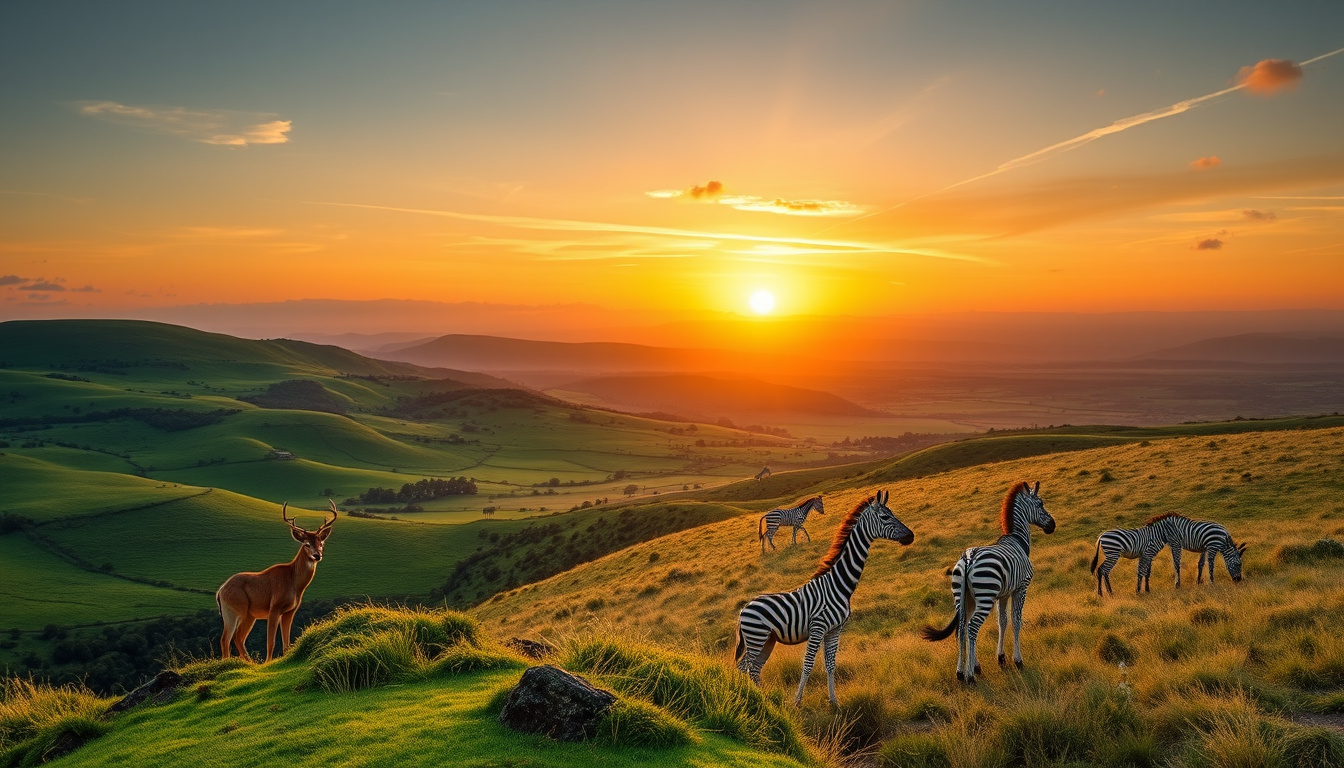
There’s a quiet thrill in spotting a puffin on a rocky Irish cliff, or watching a seal bob along the Wild Atlantic Way. But the world’s best wildlife destinations range from iconic African plains to Ireland’s hidden sanctuaries. This guide takes you from the Big Five to the badger, with a special focus on Ireland’s often-overlooked wildlife gems.
Natural wonders of the world: 7 ·
Big Five animals: 5 ·
Ireland’s largest land carnivore: Badger ·
Top destinations in Fahlo list: 20
Quick snapshot
- Kenya and Tanzania for the Big Five
- Botswana for classic safari experiences
- South Africa for Kruger National Park
- Baja California for whale watching
- Antarctica for penguins and seals
- Ireland’s Wild Atlantic Way for dolphins and whales
- Costa Rica for reliable wildlife viewing
- Indonesia for primates and coral reefs
- Uganda for close-up primate encounters
- Saltee Islands for puffins and seabirds
- Shannon Estuary for dolphins
- Fota Wildlife Park for open-range animals
Four categories, one pattern: each region offers a distinct wildlife encounter, from open plains to coastal cliffs. The trade-off: Africa promises the iconic Big Five, while Ireland rewards the patient observer with rare seabirds and marine life.
| Big Five animals | Lion, Leopard, Rhino, Elephant, Buffalo |
|---|---|
| Ireland’s largest land carnivore | Badger |
| Number of natural wonders | 7 |
| Top destinations in Fahlo list | 20 |
The pattern is clear: the Big Five define classic African safaris, while Ireland offers a quieter, coastal alternative.
What is the best place in the world to see wildlife?
Which country is best for wildlife tourism?
No single “best” exists, but two destinations dominate the discussion: Tanzania and Costa Rica. Tanzania’s Serengeti offers the classic Big Five experience, while Costa Rica packs extraordinary biodiversity into a compact area. For first‑timers, South Africa’s Kruger National Park (South African National Parks) provides reliable sightings of lions, elephants, and rhinos.
Top global safari destinations
- Kenya – Masai Mara for wildebeest migration
- Botswana – Okavango Delta for water‑based safaris
- Uganda – Bwindi Impenetrable National Park for mountain gorilla trekking
Africa vs South America vs Asia for wildlife
Africa leads for large mammals; South America (especially Ecuador’s Galápagos) for endemic species; Asia for primates and cultural wildlife experiences. The choice depends on what you want to see: big cats, primates, or marine life.
The pattern: Africa’s advantage is sheer density of megafauna, but Costa Rica’s biodiversity per square kilometre is unmatched. For the traveller, the decision is between spectacle and variety.
Where to see wildlife in Ireland?
What is Ireland’s biggest predator?
Ireland’s largest land carnivore is the badger, a shy nocturnal animal. No wolves, bears, or big cats roam the island, making wildlife spotting here a peaceful affair.
Why is Fota not a zoo?
Fota Wildlife Park is an open‑range park where animals roam in large enclosures without bars. It focuses on conservation and breeding programmes, setting it apart from traditional zoos.
Where can I see seals in Ireland?
Grey seals are common along the Wild Atlantic Way. Notable spots include the Blasket Islands and the Saltee Islands (Visit Europe – official tourism portal) where harbour seals haul out on rocks.
Best wildlife spots in Ireland
- Cliffs of Moher – stretch approximately 5 miles and soar to 700 feet; thousands of seabirds including puffins nest on the ledges (Insight Vacations (travel tour operator)).
- Puffin Island – an Irish Wildlife Conservancy reserve off County Kerry, rising to 145 metres; breeding puffins nest in summer (Visit Europe).
- Bog Meadows Nature Reserve – 19 hectares, 30 minutes by bus from Belfast, home to 14 species of butterflies (Visit Europe).
- Clara Bog – features a 1‑kilometre boardwalk loop through ancient bogland.
- Cavan Burren Park – 1,500 acres of karst limestone terrain dating back 330 million years (Insight Vacations).
- The Shannon Estuary – one of the best spots for dolphin watching.
What are the top 7 natural wonders of the world?
List of Seven Natural Wonders (CNN version)
The CNN‑listed Seven Natural Wonders include the Grand Canyon, Great Barrier Reef, Aurora Borealis, Rio de Janeiro harbour, Mount Everest, Parícutin volcano, and Victoria Falls. Many of these sites host unique wildlife: the Great Barrier Reef shelters 1,500 species of fish.
How do natural wonders relate to wildlife?
Protected natural wonders often serve as crucial habitats. The Grand Canyon supports desert bighorn sheep; Victoria Falls attracts elephant herds. Wildlife tourism and natural‑wonder travel go hand in hand.
The catch: not all natural wonders guarantee easy wildlife viewing – some are best appreciated for their geological beauty.
What are the big 5 in wildlife?
What animals make up the Big Five?
The Big Five are the African lion, African leopard, black rhinoceros, African bush elephant, and African buffalo. The term originated from trophy hunting but is now the gold standard for safari sightings.
Where to see the Big Five
Top Big Five destinations include Kenya’s Masai Mara, Tanzania’s Serengeti, South Africa’s Kruger National Park, and Botswana’s Okavango Delta.
Why are they called Big Five?
Big Five originally referred to the five most dangerous animals to hunt on foot. Today, they represent the ultimate wildlife checklist for travellers.
What are the best wildlife destinations in the world?
Top 10 wildlife destinations list
- Serengeti, Tanzania – wildebeest migration and Big Five
- Masai Mara, Kenya – July‑October river crossings
- Kruger National Park, South Africa – self‑drive safaris
- Okavango Delta, Botswana – mokoro canoe trips
- Corcovado National Park, Costa Rica – rainforest biodiversity
- Galápagos Islands, Ecuador – endemic species
- Bwindi Impenetrable Forest, Uganda – mountain gorillas
- Ranthambore National Park, India – Bengal tigers
- Antarctica – penguin colonies and seals
- Australia’s Great Barrier Reef – marine life
Destinations for specific animals
- Lions: Masai Mara, Kenya
- Gorillas: Bwindi, Uganda
- Puffins: Saltee Islands, Ireland
- Seals: Blasket Islands, Ireland
- Whales: Baja California, Mexico
Tips for planning wildlife trips
Book during dry seasons for better visibility. Consider ethical operators that support conservation. Ireland’s wildlife is best seen in late spring and summer when seabirds breed.
The implication: the growing demand for wildlife tourism puts pressure on habitats – responsible travel ensures these destinations remain viable for future generations.
Travellers who choose both an African safari and an Irish coastal trip get two completely different wildlife experiences: the thrill of the Big Five and the intimacy of puffins and seals. The trade‑off is time and budget – but the reward is a fuller picture of Earth’s biodiversity.
Confirmed facts vs what’s unclear
Confirmed facts
- The Big Five are lion, leopard, rhino, elephant, buffalo.
- Ireland’s largest land carnivore is the badger.
- Fota Wildlife Park is an open‑range park.
- There are seven natural wonders as listed by CNN.
What’s unclear
- The single best place in the world to see wildlife is subjective.
- Exact number of wildlife species in Ireland is not provided by inputs.
- Whether Fota Wildlife Park is considered a zoo is debated.
Quotes from travellers and experts
“The Big Five refer to Africa’s most sought‑after animals – lion, leopard, rhino, elephant, and buffalo.”
Micato Safaris (luxury safari outfitter)
“For puffins, head to the Saltee Islands off Wexford – it’s a reliable spot in summer.”
Reddit user r/irishtourism (travel community)
“Ireland’s west coast offers incredible whale and dolphin watching opportunities.”
Discover Ireland (official tourism board)
“Fota Wildlife Park is a conservation‑focused open‑range park, distinct from traditional zoos.”
Fota Wildlife Park (official site)
For the traveller, the choice between an African safari and an Irish coastal trip is not either/or. Both deliver distinct encounters: the Big Five test your patience and endurance; Ireland’s wildlife rewards close‑up, peaceful observation. The best strategy? Plan one trip to a premier safari destination and a second to Ireland’s hidden gems.
Related reading: Currumbin Wildlife Sanctuary · Caversham Wildlife Park
ireland.com, myfahlo.com, theirishstore.com, youtube.com, worldnomads.com
For those seeking a concentrated dose of biodiversity, Costa Ricas top national parks offer an extraordinary array of species in a compact area.
Frequently asked questions
What is the best time of year to see wildlife in Ireland?
Late spring to early autumn (May‑September) is prime, especially for seabird breeding. Puffins nest from April to July.
Are there any dangerous animals in Ireland?
No large predators exist. The most dangerous creature is the badger, but it avoids humans. Stinging nettles are a bigger concern.
Is Fota Wildlife Park ethical?
Fota is accredited by BIAZA and focuses on conservation education. It is considered ethical by many, though opinions vary.
What is the best safari destination for first‑timers?
South Africa’s Kruger National Park offers self‑drive options and high Big Five visibility, making it ideal for beginners.
How can I see whales in Ireland?
Whale watching tours operate along the Wild Atlantic Way, especially in West Cork and the Shannon Estuary. Humpback and minke whales are common in summer.
What is the difference between a traditional zoo and a wildlife park?
Wildlife parks like Fota keep animals in large, naturalistic enclosures with minimal barriers, focusing on breeding and conservation. Zoos often have smaller caged exhibits.
What are the best wildlife destinations in Europe?
Ireland’s Saltee Islands, Spain’s Doñana National Park, Finland’s bear‑watching hides, and Scotland’s Isle of Mull for golden eagles.
How do I plan a responsible wildlife trip?
Choose operators that donate to conservation, avoid attractions with captive wild animals for entertainment, and keep a respectful distance.

Andrew Ellis leads fact-checking, source verification and corrections at Oz Reviewly.