
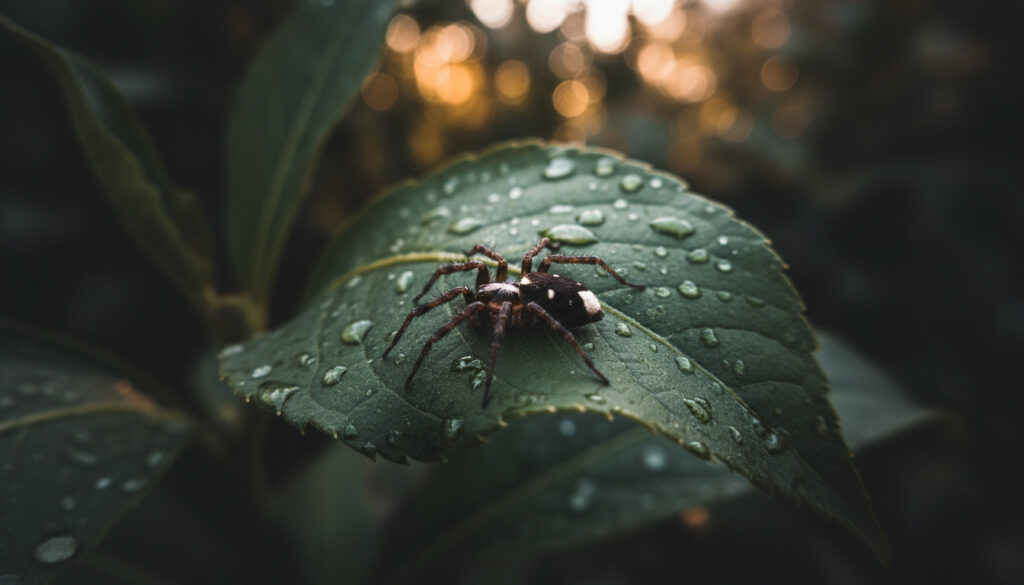
White-tailed spiders, commonly called white tip spiders (Lampona cylindrata and L. murina), inhabit Australian homes and gardens yet remain largely misunderstood by the public. Despite persistent rumors linking their bites to severe flesh-eating wounds, current medical evidence demonstrates these arachnids pose minimal risk to human health. Their distinctive cigar-shaped bodies and characteristic white abdominal markings make them easily recognizable, though their reputation far exceeds their actual danger.
These nocturnal hunters actively pursue other spiders rather than building webs to catch prey, leading them into human dwellings where they search for dark, sheltered spaces. While encounters frequently spark anxiety, verified bite cases reveal symptoms typically remain localized and self-limiting. Understanding accurate identification markers, realistic symptom profiles, and proper first aid protocols helps distinguish fact from decades of accumulated myth.
This guide examines the biological characteristics of white tip spiders, analyzes documented bite effects, and addresses the controversial necrosis claims that have dominated public discourse. By reviewing medical literature and taxonomic research, we provide clarity on managing encounters with this common Australian species.
What Is a White Tip Spider and How Do You Identify It?
White tip spiders belong to the family Lamponidae and represent two closely related species native to southern and eastern Australia. The Australian Museum identifies them by their dark reddish to grey, cigar-shaped bodies combined with dark orange-brown banded legs that distinguish them from other common household spiders.
Cylindrical body, white spot at abdomen tip, 1-2cm leg span
Eastern and southern Australia, urban homes, leaf litter
Painful but localized, necrosis myths unsubstantiated
Soap and water, cold compress, infection monitoring
Key Identification Markers
The grey dorsal abdomen bears two pairs of faint white spots, though these become less distinct in adult specimens. A characteristic white spot at the very tip of the abdomen provides the common name and reliable field identification. Both L. cylindrata and L. murina share similar morphological features, complicating visual distinction between the two without microscopic examination.
- Body length ranges between 12-18mm with elongated, flattened profile
- Males possess additional scopulate hairs on pedipalps for mating
- Active hunters with laterigrade leg orientation allowing sideways movement
- Nocturnal behavior with peak activity during warmer months
- Often discovered in bedrooms, bathrooms, and within clothing piles
- Distinguished from black house spiders by body shape and hunting behavior
| Attribute | Specification |
|---|---|
| Scientific Classification | Lampona cylindrata & Lampona murina |
| Body Length | 12-18 mm |
| Leg Span | Up to 2 cm |
| Coloration | Dark red-grey with white abdominal spots |
| Distribution | South-east Australia, overlapping ranges |
| Diet | Other spiders (araneophagic) |
| Web Building | Non-web hunting species |
| Venom Type | Cytotoxic (localized effects only) |
Are White Tip Spiders Dangerous? Bite Symptoms and Risks
Health authorities classify white-tailed spiders as not dangerous to humans, despite their bites causing significant discomfort. Research involving 130 verified bite cases confirms that while pain remains consistent, systemic effects rarely occur.
Immediate Physical Reactions
Bite presentations follow a predictable pattern beginning with sharp, burning sensations at the contact point. MyDr medical records indicate victims typically experience initial burning pain followed by red marks or irritation, often with visible puncture wounds indicating fang penetration.
Localized swelling and itchiness manifest either immediately or within several days, occasionally accompanied by blister formation. Blisters develop in some cases though they represent localized inflammatory responses rather than tissue necrosis.
Symptom Duration and Severity
The average symptom duration spans approximately 24 hours, though individual experiences vary significantly. Some patients report resolution within one to two hours, while others endure discomfort extending to one week. Severe pain occurs in just over one-quarter of documented cases, while systemic symptoms including nausea, vomiting, or headache affect approximately ten percent of bite victims.
A comprehensive study analyzing 130 verified white-tail bites found that researchers consistently observed significant pain levels yet recorded minimal additional effects beyond localized redness and swelling. Only 21 patients sought emergency or general practitioner care, with zero requiring hospital admission.
When Medical Intervention Becomes Necessary
Standard first aid proves sufficient for most encounters. Medical guidance recommends seeking professional care when significant pain, severe swelling, or allergic reaction signs emerge. Additionally, medical review becomes necessary if the bite site shows infection indicators or systemic symptoms develop.
Where Do White Tip Spiders Live and Their Behavior
These adaptable arachnids thrive across south-eastern Australia’s diverse landscapes, from natural bushland to densely populated urban centers. Their hunting strategy necessitates movement through varied terrain, explaining their frequent presence inside human habitations.
Geographic and Ecological Distribution
The two common species maintain overlapping distributions throughout south-east Australia, with L. cylindrata generally occupying the southern coastal regions while L. murina extends further inland. Both species demonstrate remarkable adaptability to disturbed environments.
Urban Adaption and Domestic Encounters
Unlike web-building spiders that remain stationary, white tip spiders roam actively seeking prey spiders, forcing them into human living spaces. They display particular affinity for bedrooms, bathrooms, and laundry areas where humidity remains elevated and prey abundance proves reliable. Clothing piles, bed linen, and bathroom towels provide ideal shelter during daylight hours.
For residents experiencing frequent spider encounters, Broadmeadow Medical Centre – GPs, Hours, Services NSW provides local medical support for bite assessment and treatment protocols.
Do White Tip Spider Bites Cause Necrosis? Facts vs Myths
The most pervasive misconception surrounding white tip spiders involves alleged flesh-eating venom causing necrotizing arachnidism. This belief peaked during the early 2000s, generating substantial media coverage and public fear that persists despite contradictory medical evidence.
Contemporary evidence definitively shows white-tailed spider bites do not cause skin ulcers or necrotizing arachnidism. While historical reports controversially implicated the species in severe ulceration, only unconfirmed reports exist regarding weals, blistering, or local ulceration.
The reputation for causing skin ulcers remains unsubstantiated by current peer-reviewed research. In cases of slow-healing wounds, physicians investigate alternative causes such as bacterial infections rather than spider venom, prescribing antibiotics only when microbial infection develops.
Secondary bacterial infections introduced through bite wounds frequently explain subsequent ulceration. The spiders’ venom itself lacks necrotic compounds found in true recluse spiders (Loxosceles species), making bacterial contamination the primary suspect in complex wound cases.
What to Do If Bitten by a White Tip Spider
Effective management requires simple first aid rather than emergency intervention. Immediate cleaning with soap and water reduces bacterial contamination risk, while cold pack application minimizes swelling and discomfort.
Ongoing management involves antihistamines for persistent itchiness and diligent monitoring for infection signs such as spreading redness, pus formation, or fever development. Continuous observation of the bite site for worsening symptoms or infection indicators remains essential.
Prevention strategies focus on reducing harborages within homes. Regular vacuuming of spider webs eliminates prey sources, while shaking clothing and footwear before use prevents surprise encounters in seasonal storage.
How Has Scientific Understanding of White Tip Spiders Evolved?
- : Taxonomic clarification distinguishing Lampona species from similar-looking gnaphosids
- : Increased bite reports coinciding with urban expansion into spider habitats
- : Peak necrosis debate in Australian media linking spiders to severe dermatological cases
- : Major medical study examines 130 verified bites, refuting necrosis claims
- : Consensus emerges among arachnologists and toxicologists discrediting ulceration myths
- : Focus shifts toward bacterial infection management versus antivenom research
What Do Researchers Know for Certain?
Established Facts
- Bites consistently produce immediate, sharp pain
- Localized redness and swelling are universal markers
- Symptoms typically resolve within 24 hours
- Necrosis causation remains medically disproven
- Species demonstrate clear nocturnal hunting behavior
Remaining Uncertainties
- Individual variation in inflammatory responses
- Role of secondary bacterial contamination in complex wounds
- Long-term dermatological effects in immunocompromised patients
- Venom composition variability between L. cylindrata and L. murina
How Do White Tip Spiders Fit Into Australia’s Arachnid Landscape?
Contextualizing white tip spiders requires comparison with genuinely dangerous Australian species. Unlike redback and funnel-web spiders, which can cause serious illness and potential death, white tip spiders produce only minor, localized symptoms.
True necrotic spiders such as the brown recluse cause muscle cramps, severe headaches, difficulty breathing, and tissue necrosis—clinical presentations entirely absent from white-tailed spider bite profiles. This distinction highlights the importance of accurate identification when assessing bite risks.
Their ecological role as specialist spider hunters actually benefits human habitats by controlling populations of web-building species. This biological service often goes unrecognized amid fear-based reactions to their appearance.
What Do Medical Authorities Say About White Tip Spiders?
“Bites from white-tailed spiders have been controversially implicated in causing severe skin ulceration, but current evidence does not support this association.”
— Australian Museum, Arachnology Department
“White-tailed spider bites are rarely serious despite their pain. Only 21 of 130 patients visited an emergency department, and none required hospital admission.”
— Medical Journal of Australia, Bite Study Analysis
What Should You Remember About White Tip Spiders?
White tip spiders represent common household visitors that pose minimal medical risk despite their intimidating reputation. Bites produce painful yet self-limiting local reactions that resolve without specialized treatment. The enduring myth connecting these spiders to necrotic wounds lacks scientific support, with bacterial infections offering a more plausible explanation for complex skin presentations. Simple first aid, symptom monitoring, and medical consultation only for infection signs constitute appropriate management. For comprehensive identification assistance, refer to White Tip Spider – Identification Bites Myths Safety.
Common Questions About White Tip Spiders
How do white tip spiders differ from black house spiders?
White tip spiders display elongated, cylindrical bodies with distinct white abdominal spots and hunt actively without webs. Black house spiders (Badumna species) build tangled, funnel-shaped webs in window frames and corners, possessing rounder abdomens and stationary behavior patterns.
Are white tip spiders found outside Australia?
Lampona cylindrata has established populations in New Zealand following accidental introduction, though it remains primarily an Australian genus. Neither species occurs naturally in Europe, Asia, or the Americas, limiting encounters to Oceania regions.
Can white tip spider bites harm pets?
Veterinary documentation regarding white tip spider effects on domestic animals remains sparse. Given the spiders’ venom targets arachnid physiology specifically, mammalian pets likely experience similar localized reactions to humans, though cats and dogs may conceal symptoms more effectively.
Do white tip spiders become more active during specific seasons?
While active year-round, white tip spiders demonstrate increased nocturnal hunting during warmer months when prey spider populations peak. Winter months see reduced activity as both predator and prey seek warmer microclimates within insulated structures.
Is there an antivenom for white tip spider bites?
No antivenom exists for white tip spiders, nor is one medically necessary given the self-limiting nature of their bites. Treatment focuses on symptomatic relief and secondary infection prevention rather than venom neutralization.
How can I prevent white tip spiders from entering my bedroom?
Eliminate prey spiders through regular web removal, seal cracks around windows and doors, install draft stoppers, shake bedding before sleep, and avoid storing clothes on the floor. Reduce humidity using ventilation fans in bathrooms and laundries.
Related stories





Liam O'Brien covers Australian politics and public affairs for Oz Reviewly.